5 Lessons From Professional Caregiving That Family Caregivers Need
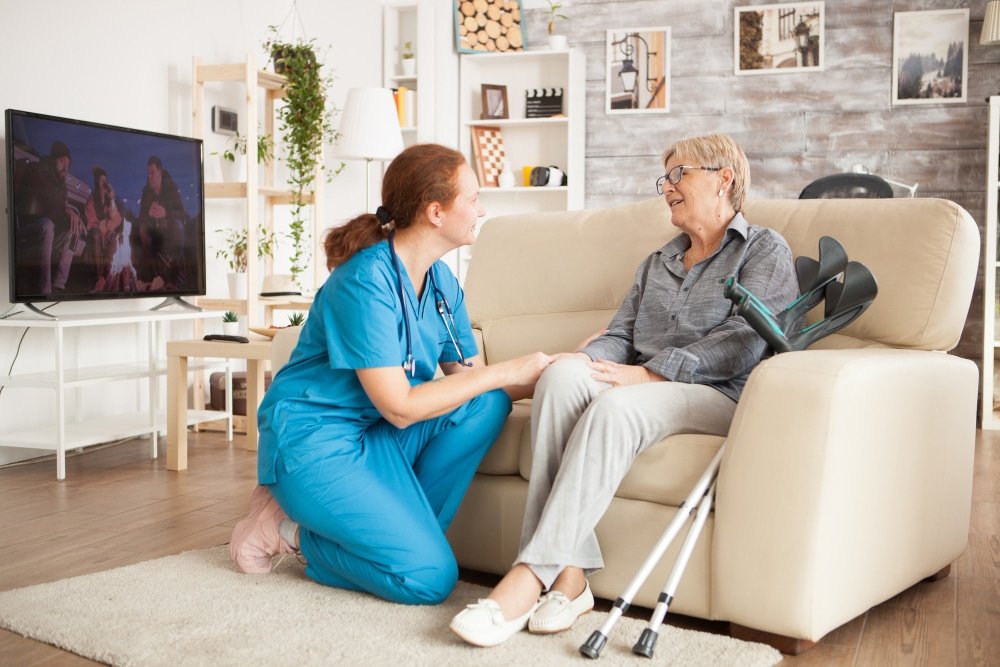
Exposure to professional caregiving in my early 20s is what got me started on my own caregiving journey. The professional nurses at the clinic where I volunteered were great role models. They taught me important lessons that I still use today.
This week, many of those lessons are coming back to me.
Honoring National Nurses Week With Lessons That Lighten the Load
National Nurses Week runs May 6 to 12 each year. It’s a time to honor the hard work, compassion, and dedication nurses bring to their patients every single day. While most family caregivers don’t have formal training, they share something deeply important with nurses: a calling to care.
The 2026 American Nurses Association theme for National Nurses Week is “The Power of Nurses™.”
The push to formally recognize nurses started decades ago. The American Nurses Association, or ANA, has championed the nursing profession since 1896. Today, National Nurses Week closes on May 12 — the birthday of Florence Nightingale, the founder of modern nursing. That date is no accident. It is a reminder that professional caregiving is often rooted in service, sacrifice and skill.
As we honor nurses this week, let’s also reflect on what family caregivers can learn from them. In my opinion, nurses have powerful skills — not just in medicine and health care, but in managing stress, staying grounded and giving care with calm confidence. These are skills us family caregivers can learn too.
Explore how monthly observances can support family caregiving.
Here are five remarkable lessons you can carry into your own caregiving.
1. Stay calm by creating a care routine.

One of the first things nurses do when starting a shift is check their schedule, supplies and patient list. They don’t try to wing it. They lean on structure to stay grounded.
Family caregivers can benefit from this same approach. Having a basic daily routine can lower your stress levels, reduce decision fatigue and create more peace of mind at home.
Start small:
- Choose regular times for meals, medications and rest.
- Keep a printed checklist or use a simple planner.
- Leave space for surprises, because caregiving is full of them.
2. Learn the power of healthy emotional boundaries.
Nurses care deeply, but they also learn not to take every emotion home with them. That means showing love and concern while protecting your own emotional energy.
For family caregivers, this can be hard. You love your person. But holding every struggle in your heart can lead you to caregiver burnout.
Here’s how to start:
- Take a deep breath before reacting.
- Remind yourself: “I’m doing my best. I don’t have to try to fix everything.”
- Talk to a friend, support group or therapist to help process those big feelings.
I know. You might think that setting boundaries is cold-hearted, but it isn’t. It’s wise. You really can care for others and protect your peace of mind at the same time.
3. Embrace the team approach.

In hospitals, nurses work as a team. They pass off tasks, ask questions and lean on each other for support. Family caregivers often try to do it all alone.
You don’t have to carry the whole load yourself.
Try these steps:
- Make a list of things you could delegate, like grocery shopping, errands or cleaning.
- Ask siblings or family members to take one task a week.
- Join a local caregiver support group or online forum.
Even if others can’t provide hands-on help, emotional support still matters. You deserve a team, even if it’s just one or two trusted people.
4. Use your voice: Document, ask and speak up.
Professional nurses are known for their clear communication. They write things down, ask questions and speak up when something doesn’t seem right.
As a caregiver, you’re also an advocate. You can:
- Keep a care journal to track symptoms, meds and moods.
- Ask doctors to explain complex medical terms in plain language.
- Speak up if you feel your loved one’s needs aren’t being met.
You don’t have to be perfect. Just be persistent. Nurses learn by doing, and you can too.
5. Practice quick self-care moments throughout the day.

Nurses are trained to take breaks — even short ones — to stretch, breathe or grab a healthy snack. These tiny resets help them keep going.
In contrast, family caregivers often skip self-care because there’s “no time.” But self-care doesn’t have to be long to be helpful.
Try these ideas:
- Step outside for five minutes of sunshine.
- Breathe deeply while performing chores like washing dishes or laundry.
- Keep a favorite Biblical verse nearby to read in those especially hard moments of care.
These mini moments of care can reenergize you and keep caregiving burnout at bay.
How to Celebrate Nurses Week as a Family Caregiver
You don’t have to be a hospital patient or a healthcare worker to take part. Family caregivers have a natural connection to the nurses in their lives. Here are a few simple ways to join the celebration.
Write a thank-you note.

A handwritten note is one of the most personal ways to honor a nurse who made a difference for your loved one. Handwriting adds sincerity that a text message just can’t match.
When you write your note:
- Use a formal greeting like “Dear [Name]” to set the right tone.
- Mention a specific moment the nurse might remember — a kind word, a procedure explained clearly or a moment of calm during a hard day.
- Describe what their care meant to you and your family.
That kind of specific, personal appreciation stays with a nurse long after the week ends.
Share your story.
During National Nurses Week, many hospitals encourage patients and families to share recognition stories on social media or through internal recognition programs. If a nurse helped your family, your story matters. Share it. Post it. Tag the hospital. It costs nothing but a few minutes of your time.
Support professional caregiving in your community.
Professional caregiving stretches beyond the hospital. Home health nurses, hospice nurses and clinic nurses support family caregivers every day in quiet, powerful ways. National Nurses Week is a good time to acknowledge that network — and to remind yourself that you are part of a larger caregiving community.
Honoring Nurses — and Yourself

National Nurses Week reminds us of the amazing work caregivers do, both professional and family caregivers. If you’re a family caregiver, know this: the skills you use every day — compassion, strength and flexibility — compassion, strength and flexibility are the same ones professional nurses rely on too.
You may not wear a uniform, but you too have a calling. Keep showing up with love. Keep learning as you go. And when it gets hard, remember that even the best nurses sometimes ask for help.
Family and Professional Caregiving FAQ
What is National Nurses Week?
National Nurses Week runs May 6 to 12 each year in the U.S. It honors the dedication, compassion and expertise of nurses across the country.
Can family caregivers really learn skills from professional nurses?
Absolutely. Family caregivers and professional nurses share more than you might think. Skills like building routines, communicating clearly and practicing emotional balance are helpful for everyone who gives care.
How can I celebrate Nurses Week as a family caregiver?
Start with something personal. Write a handwritten thank-you note to a nurse who helped your loved one. Share a recognition story on social media. You can also use the week as a reminder to connect with other caregivers in your community and acknowledge the professional caregiving network that supports families like yours.
What’s the best way to ask for help as a family caregiver?
Start by being specific. For example, instead of saying, “I need help,” try, “Can you sit with Mom for an hour on Saturday so I can rest?” Specific requests are easier for others to say yes to.
What if I feel guilty taking a break?
Feeling guilty is common, but taking breaks is smart. Even short breaks help you care better and longer.
How can I stay organized like nurses do?
Use a caregiver planner or notebook. Keep a daily checklist and write down important updates. This helps reduce forgetfulness and brings peace of mind.
Let us know in the comments how you’ve been inspired by a nurse, or how you use these tips in your caregiving!