Senior Nutrition Education: What You Need to Know About
Affiliate Disclosure
As an Amazon Associate and member of other affiliate programs, we may earn a small commission from qualifying purchases made through links on this page. This doesn’t cost you anything extra.
How can family caregivers learn about nutrition?

You can learn about nutrition as a caregiver by consulting with medical professionals like registered dietitians. They can offer personalized dietary guidance and recommendations. Also, consider online resources like MyPlate.gov for general dietary guidelines and information on food groups.
Why Senior Nutrition Education Is Important
One area that often brings family caregivers stress is nutrition. Making sure the person you’re caring for is eating well can be a challenge. Good nutrition supports better health and can help prevent common problems in aging like fatigue, illness or mood swings.
If you’re a family caregiver, understanding nutrition can ease your load and improve your loved one’s quality of life. You don’t have to be a dietitian to make a difference. A few small changes can go a long way.
Nutritional Needs in Older Adults: What Caregivers Should Know

As we age, our bodies change. These changes can affect how we eat and how our bodies use food. Knowing what’s normal and what to watch out for can help you plan better meals and reduce caregiving anxiety.
Learn more about meal planning strategies for family caregivers.
Common Nutritional Challenges with Aging
You may notice that your loved one:
- Feels full faster or eats less than before.
- Says food doesn’t taste the same.
- Has trouble chewing or swallowing.
- Is on medications that upset their stomach.
- Has less energy to cook or shop.
These are common, but they can lead to serious issues like weight loss, weakness or confusion.
Key Nutrients for Aging Well
Some nutrients become even more important with age:
- Protein helps maintain muscle and strength.
- Fiber keeps digestion regular.
- Calcium and Vitamin D strengthen bones.
- Vitamin B12 supports brain and nerve health.
Here’s a nutrition goal to consider. Aim for meals that include lean meats, beans, whole grains, dairy or fortified alternatives, fruits, and vegetables. A doctor or registered dietitian can help you tailor these needs.
If you need help finding a dietary professional, check your health plan. Some plans may cover consultations with registered dietitians or licensed nutritionists, depending on your benefits and medical needs.
What about nutritional drinks for seniors?
When your loved one’s appetite is low or meals are hard to manage, nutritional drinks may help fill short-term gaps. Choose products based on their calorie, protein, sugar and texture needs. And be sure to confirm details on the current label.
Protein drinks designed for older adults do more than add calories. The best ones deliver a solid dose of protein along with key nutrients like calcium, vitamin D and B12 — the same ones we covered previously. They’re easy to keep on hand, simple to serve and some seniors actually enjoy them.
Here are a few reputable and popular options worth considering.



Why We Like These: These are top sellers and highly-rated among consumers on Amazon. If your loved one doesn’t like the taste or texture of a nutritional drink, it might be difficult to get them to drink it. We think most caregiving consumers will find something that resonates in this list.
Keep in mind that nutritional drinks are supplements, not replacements for medical advice or a balanced diet.
When More Than One Health Condition Affects Nutrition
Some older adults deal with more than one chronic illness at the same time. When that happens, nutrition can get much more complicated. Each condition may pull their diet in a different direction. That’s why you need to pay close attention to your loved one’s full health picture.
What are some age-related diseases that can affect nutrition?
Age-related diseases are chronic conditions that become more common as people get older. The most common ones include heart disease, cancer, diabetes, Alzheimer’s disease and dementia, arthritis and respiratory diseases.
Nutritional Needs for Specific Conditions
Different diagnoses call for different eating strategies. Here’s what caregivers need to know most.
Diabetes
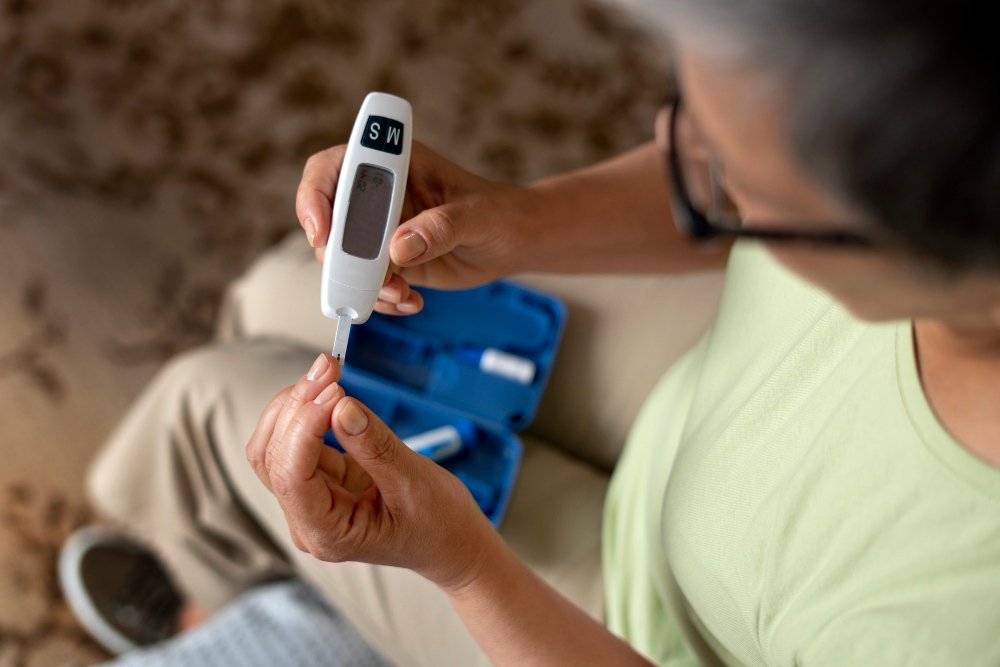
For a loved one with diabetes, the goal is to keep blood sugar levels steady throughout the day. Focus on high-fiber foods, lean proteins and healthy fats. Limit added sugars, refined carbohydrates and sodium. Consistent meal timing and portion control matter a lot.
What Is the National Diabetes Prevention Program?
If your loved one has prediabetes, the National Diabetes Prevention Program (National DPP) may help. This CDC-led, year-long program helps adults reduce their risk of developing type 2 diabetes by as much as 58–71%. Participants learn about healthy eating, physical activity and stress management through weekly and then monthly group sessions.
The program has a six-month core phase followed by six months of maintenance. Coaches offer sessions in person, online or through a hybrid format. The main goals are to lose 5–7% of body weight and reach 150 minutes of physical activity per week. Adults 18 and older with a BMI of 25 or higher (or 23 for Asian Americans) and prediabetes may qualify. Many insurance plans, employers and Medicare cover the cost. You can find a nearby program through the CDC Registry.
Heart Disease
A heart-healthy diet limits sodium, saturated fats and added sugars. It emphasizes fiber, lean protein and healthy fats like omega-3s. The DASH diet and Mediterranean-style eating support this approach well. Focus on vegetables, fruits, whole grains and fish to help manage blood pressure and cholesterol.
Dementia
For a loved one with dementia, food supports brain health, helps maintain a healthy weight and it can ease some behavioral symptoms. Prioritize antioxidant-rich foods like berries and vegetables, lean proteins like fish and poultry and healthy fats like olive oil and nuts. Limit saturated fats, refined sugars and sodium.
Learn more about caring for a parent with dementia.
When Your Loved One Stops Eating
A dip in appetite here and there is normal. But when it lasts more than a week or leads to noticeable weight loss, weakness or fatigue, you need to treat it as a health concern. Underlying causes can range from infections and medications to depression or even cancer.

Try serving smaller, more frequent meals packed with nutrients. Liquid nutrition drinks can help fill the gap. If the problem continues, talk to your loved one’s doctor to get to the root cause.
Recognizing and Responding to Dehydration
Older adults are especially prone to dehydration, and they may not feel thirst the way younger people do. Watch for these five warning signs:
- Extreme thirst
- Dark yellow or amber urine
- Less frequent urination
- Dizziness or lightheadedness, and a dry mouth, lips or tongue
- Fatigue and headache are also common signals
If you notice these signs, offer water or an oral rehydration drink right away. Move your loved one to a cool, comfortable spot. Help them replace lost electrolytes with drinks that include sodium and potassium. Call for emergency care immediately if they show confusion, fainting or severe dizziness. Those signs mean the body needs more help than fluids at home can provide.
How to Build a Practical Meal Plan Around Real Life

The right planning can save time, reduce food waste and help your loved one feel better. Start with their specific health needs.
Personalize the diet based on health conditions.
If your loved one has a chronic condition like diabetes, heart disease or dementia:
- Choose low-sugar, high-fiber foods for blood sugar control.
- Limit salt and saturated fats for heart health.
- Offer small, nutrient-rich meals that promote memory and mood support.
Also, some medications may interact with certain foods. Ask their doctor or pharmacist what to avoid.
Plan meals around your busy caregiving schedule.

Meal prep doesn’t have to be fancy to be healthy:
- Cook meals in large batches and freeze leftovers.
- Use slow cookers or air fryers to save time.
- Try grocery delivery or meal kits made for seniors.
- Shop sales and use coupons to stay on budget.
- Make simple snacks like yogurt, boiled eggs or cut-up fruit easy to grab.
Many family caregivers find that they can save time and money with batch cooking strategies. The goal is to make meals easier for both of you.
Explore more meal preparation solutions and other caregiver tools that can help reduce stress.
Supporting Consistent and Compassionate Mealtime Habits

Nutrition involves what we eat as well as how, when and where we eat. Creating a calm, positive environment helps your loved one enjoy food more. It can also help you feel less stressed.
Create a positive mealtime environment.
- Stick to regular meal times.
- Eat with your loved one when possible.
- Minimize TV or loud distractions.
- Offer foods they enjoy with some healthy swaps.
- Serve meals in smaller portions to avoid overwhelming them.
Even 20 quiet minutes at the table can build your connection with them and offer some peace of mind.
Help your loved one stay hydrated and keep their appetite fired up.

Dehydration is common in older adults and easy to miss. Look out for dry mouth, dizziness or dark-colored urine. To help:
- Offer water, herbal teas or milk throughout the day.
- Add fruits with high water content like watermelon or oranges.
- Keep a water bottle nearby at all times.
- Try using fun straws or cups they like.
Does your loved one dislike drinking plain water? Consider some of the hydration and health benefits of drinking coconut water.
If your loved one eats less, serve small meals more often. Gentle encouragement can help, but avoid pressuring them to eat.
Caring for Yourself While Caring for Their Nutrition
Sometimes, even planning meals can feel like too much for a caregiver. Many caregivers struggle with time management, guilt and fatigue.
Try one or more of the following self-care tips.
- Ask family to take turns with meals.
- Accept help from friends or neighbors.
- Say yes to meal services or delivery apps.
- Rest when you can.
Taking care of your loved one’s health starts with supporting your own. A small break, a prayer or a shared laugh with a loved one can go a long way.
Simple First Steps to Improve Your Loved One’s Nutrition
Managing your loved one’s nutrition requires thoughtful planning and flexibility.
You don’t need to change everything at once. Choose just one new habit this week. You might add an extra cup of water to their daily intake or plan three simple dinners with balanced nutrition. These small wins can help you build momentum.
Starting slow also helps you avoid caregiver burnout while keeping routines realistic. Don’t forget that you’re making a positive impact every day. Keep it up.
Managing Nutrition FAQ
What are the best snacks for older adults?
Healthy snacks include yogurt, sliced fruits, nuts — if they can chew, as well as whole-grain crackers and cheese.
What should I do if my loved one refuses to eat?
Start with small portions, try to serve their favorite foods, and create a calm environment at mealtime. If the issue persists, talk to a doctor.
How much water should seniors drink daily?
Most older adults should aim for 6 to 8 cups per day, unless their doctor says otherwise.
What are some easy meals I can make ahead?
Soups, casseroles, oatmeal and pasta dishes freeze well and are easy to reheat.
Can I get help with meal planning?
Yes. Many local senior centers, places of worship and apps offer support. You can also consult with a dietitian or check resources in your area.
Disclaimer: This article is for information and education only. It is not a substitute for advice from a doctor, therapist, financial advisor, or lawyer. Every caregiving situation is different. Always talk to a qualified healthcare provider, mental health professional, financial advisor, or elder law attorney before making decisions about a loved one's care, health, or finances.
Read our full disclaimer for more information. If you or someone you are caring for is experiencing a medical or mental health emergency, contact 911 or your local emergency services. In the U.S., the 988 Suicide & Crisis Lifeline (call or text 988) is available 24/7.