
Interview Questions for Caregivers: What to Ask and What to Listen For
Bringing a stranger into your or your loved one’s home takes trust. The right interview questions for caregivers can help you decide who’s earned that trust before they ever walk through the door.
That decision carries real weight. News stories about caregiver abuse or theft can make a hard choice feel even harder. Those stories trouble me because I know how much families depend on outside help.
When my brother and I cared for our dad, who had dementia, we were fortunate. Close family friends got the training and earned the certifications needed to provide respite care. We already knew the kind of people they were.
You may not have that option. Most families don’t. In the AARP and the National Alliance for Caregiving’s 2025 report, 32% of family caregivers of adults reported using paid help. Separately, 28% reported difficulty finding affordable services, such as home health aides, transportation or meal delivery.
Finding help is hard. Finding someone you can trust adds another layer of worry.
Hourly wages are only part of the expense. Understanding the real cost of family caregiving can help you plan realistically for outside help.
No interview guarantees your loved one’s safety. But a careful, structured interview can help you spot problems early. Here’s the approach I recommend.
Write Down What Your Loved One Needs

Before you talk with anyone, put your loved one’s needs in writing. Paper or a notes app works fine. Care professionals typically sort daily tasks into two groups:
- Activities of daily living (ADLs) cover bathing, dressing, eating, toileting and moving safely.
- Instrumental activities (IADLs) cover meals, shopping, transportation, appointments and medication refills.
Then add health conditions, behavior changes, dietary rules, the schedule, physical demands and your budget. Someone living with dementia needs different support than someone recovering from a stroke. If dementia is part of your story, our guide to caring for a parent with dementia can help.
Some caregivers offer companionship and household help. Others have training in personal or medical care. These jobs aren’t interchangeable. If your loved one needs someone to give medications or handle wound care, ask their doctor or nurse what qualifications, training and supervision the job requires. State rules decide which tasks need a licensed professional and which ones a trained caregiver may handle when a licensed professional delegates them.
A written care profile keeps your interviews focused. It also gives candidates an honest picture of what the job requires.
Start With Basic Questions to Ask When Hiring a Caregiver

You can find candidates through referrals, caregiver registries, job sites or home care agencies. Hiring privately gives you more control. It also makes you responsible for screening, payroll and backup coverage.
A caregiver you hire privately may count as your household employee. Calling them an independent contractor doesn’t change that. The Family Caregiver Alliance’s guide to hiring in-home help directly or through an agency lays out the trade-offs.
Begin with a short phone screen. Ask:
- “What days and hours can you work?”
- “What hourly rate do you expect?”
- “Do you have reliable transportation?”
- “Will you provide professional references and agree to a background check?”
Strong candidates give clear answers and welcome screening. Watch for shifting schedules, vague replies or pushback on your request for basic checks.
If the phone call goes well, invite the person for a full interview. Include your loved one whenever possible. How they feel around this person matters.
If you work with an agency, vet the agency as carefully as the caregiver. Ask:
- Does your agency hold every license or certification this state requires? Where can I see its inspection or enforcement records?
- Which background checks and drug screens does every caregiver complete?
- Who supervises caregivers in the home, and how often?
- What happens if the match doesn’t work out?
- How quickly can the agency send a replacement after a call-out?
Ask whether the agency employs the caregiver or only provides referrals. Confirm who handles payroll, taxes, insurance, supervision and backup coverage.
Never assume an agency guarantees same-day coverage. Get the answer in writing.
Interview Questions for Caregivers About Experience and Training

A professional caregiver’s years on the job don’t tell the whole story. Someone may have ten years in home care and none with dementia. Ask:
- “How many years have you worked as a professional caregiver, and in what settings?”
- “What direct experience do you have with dementia, Parkinson’s disease, diabetes or stroke recovery?”
- “Have you completed formal caregiver training, and do you hold current CPR and First Aid certifications?”
- “Can you share contact information for references from past families or agencies?”
Listen for specific stories. A strong candidate might describe calming a client during evening confusion or adjusting support for Parkinson’s tremors. Good candidates also admit when a task falls outside their training.
Be cautious when someone says “I’ve handled everything.” A truly experienced caregiver can give examples, describe past duties and hand over references without hesitation. I’d rather hire someone who admits their limitations than someone who pretends to know it all.
Interview Questions for Caregivers About Daily Care and Dignity
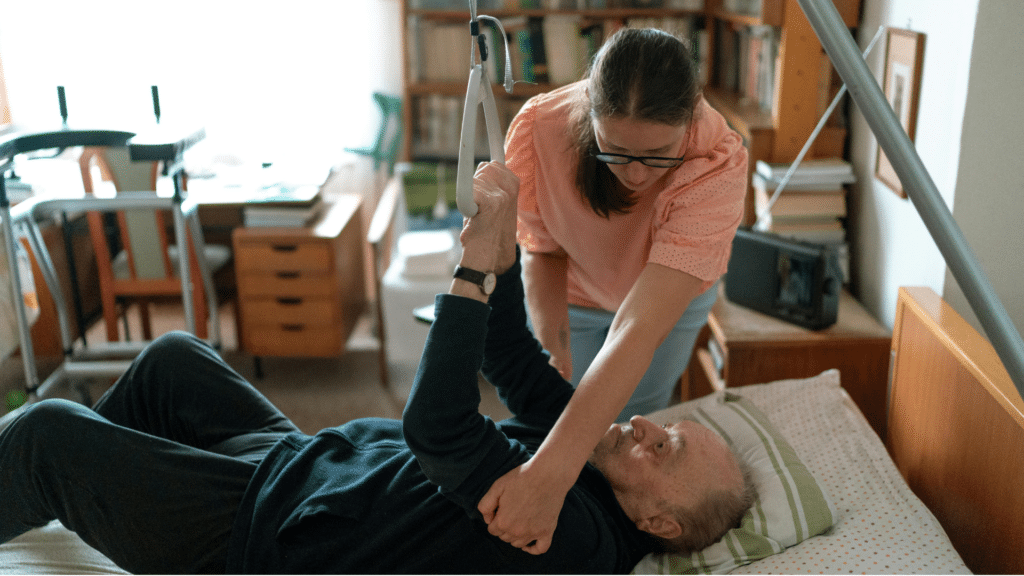
Your loved one deserves more than someone who checks off chores. A good caregiver protects dignity and encourages independence.
- “Which personal care tasks, such as bathing, dressing, grooming and toileting, are you comfortable doing?”
- “How do you help a client move or transfer safely to prevent falls?”
- “Have you prepared meals that follow a doctor’s dietary guidelines?”
- “How do you handle medication reminders, and how do you keep the family informed?”
- “How do you encourage a client to do things on their own, even when it takes longer?”
Good answers show patience and respect for your loved one’s choices. A trained non-medical caregiver also knows the difference between reminding someone to take a medication and giving or adjusting a dose. A caregiver should never independently change a prescribed dose or treatment plan. Any help with medications must follow the care plan and your state’s rules.
Red flags include discomfort with bathing or incontinence care, frustration with slow movement or any claim that they can change prescriptions.
See how you and your caregiver can avoid patronizing speech and protect your loved one’s dignity.
Safety Questions That Show How a Caregiver Handles Trouble

A pleasant personality tells you little about how someone acts in an emergency. These questions reveal judgment.
- “What would you do right away if my loved one fell?”
- “How would you recognize and respond to a medical emergency, such as sudden shortness of breath or confusion?”
- “What do you do if my loved one refuses a meal, a medication reminder or personal care?”
- “If driving is part of the job, do you have a valid license, a clean driving record and a reliable car?”
A prepared caregiver first makes sure the area is safe. Then they check breathing and responsiveness and look for injuries. They call 911 immediately for life-threatening symptoms and follow dispatcher instructions. If they suspect a head, neck, back or other serious injury, they leave the person where they are unless the person is in immediate danger or needs lifesaving care. Once help is on the way, they call you.
For refusals, listen for patience: stepping back, changing the setting or offering simple choices. Think twice about anyone who would pull a fallen person to their feet or who treats confusion as misbehavior.
For a loved one with dementia, patience isn’t optional. Fear and confusion shape behavior. A raised voice only makes a hard moment harder.
A qualified caregiver should know exactly what to do when something goes wrong. That’s one reason I recommend creating an emergency plan for aging parents before bringing outside help into the home.
Questions About Reliability, Communication and Boundaries
Even a skilled caregiver creates problems if shifts go uncovered. You also need someone who communicates clearly and respects your loved one’s privacy.
- “What is your weekly availability, and how much notice do you need for schedule changes?”
- “What do you do if you get sick or have an emergency before a shift?”
- “How will you keep our family updated on daily activities, mood changes or health concerns?”
- “How do you stay warm and connected while keeping professional boundaries?”
Look for precise answers, a real plan for missed shifts and a willingness to keep a daily care notebook. Strong candidates often ask their own questions about your loved one’s habits and preferences. That curiosity is a good sign.
Watch for unexplained schedule changes, resistance to written updates, disrespectful talk about former clients or unusual interest in money and valuables.
Verify Every Answer Before You Make an Offer

A great interview is only the beginning. Call at least two former employers or agency supervisors. Ask whether the caregiver arrived on time, stayed calm under stress and followed instructions.
My favorite reference question is simple: “Would you rehire this person to care for your own family member?”
Next, check credentials and run a proper background check. Look at CPR and First Aid cards yourself and confirm the expiration dates. Follow all federal, state and local screening laws.
If you use a background-check company, the law adds a few steps. Give the candidate a written disclosure and get their written permission first. If the report leads you to turn someone down, follow the required notice steps before you do.
Never skip verification simply because someone seems kind.
Put It in Writing and Begin With a Trial Period
Once you find a promising candidate, write down your expectations. Cover duties, hours, pay, time off, house rules and how either side can end the arrangement.
Consider a paid trial period of one to two weeks. Agree on clear duties, supervision and review points up front. Keep a daily log of tasks completed, your loved one’s reactions and any safety concerns.
During the trial, watch whether the caregiver shows up on time and respects the daily routine. Notice their warmth and patience in conversation and whether they use safe body mechanics during transfers. Above all, notice how comfortable your loved one seems with the new person.
A gentle start helps your loved one adjust. If something feels off, ask questions and look closer.
Let Trust Grow From Evidence

When you hire an in-home caregiver, you’re weighing more than availability and price. You’re trusting someone with the comfort, dignity and safety of a person you love.
My family’s experience taught me how valuable dependable respite care can be. It also showed me why you need a practical way to size up people you don’t yet know.
Ask specific questions. Verify the answers. Pay attention to how the caregiver treats the person you love.
Sometimes a loved one’s needs grow beyond what in-home assistance can safely provide. If that happens, knowing what to look for in a nursing home can help you evaluate another care option.
Good screening can’t remove every risk, but it helps you make a wiser, better-informed choice. And that gives you something every family caregiver needs: a little more peace of mind.
Hiring an In-Home Caregiver FAQ
How many caregivers should I interview before hiring?
Start with two or three qualified candidates, using the same core questions for each. Keep looking if none meets your loved one’s needs.
Should I hire a private caregiver or use an agency?
Both paths work. A private hire often costs less per hour and gives you more control, but you handle screening, payroll, taxes and backup coverage. An agency costs more yet usually manages hiring, supervision and replacements. Ask whether the agency employs the caregiver or only provides referrals. Confirm in writing who handles payroll, taxes, insurance, supervision and backup coverage. Compare costs, policies and qualifications before you decide.
What is the biggest red flag in a caregiver interview?
Take it seriously when a candidate resists references or a background check. Other serious warnings include unsafe answers about falls, impatience with confusion and disrespectful comments about past clients.
Should my loved one take part in the interview?
Yes, whenever possible. Their reactions show whether the candidate speaks respectfully and puts them at ease. Even a person with dementia can express preferences through words, facial expressions or body language.
Can I trust a caregiver after a clean background check?
A background check is one safeguard, not a guarantee. Keep reviewing daily notes, drop in at different times and talk with your loved one often. Let trust grow through steady, respectful behavior over time.
Disclaimer: This article is for information and education only. It is not a substitute for advice from a doctor, therapist, financial advisor, or lawyer. Every caregiving situation is different. Always talk to a qualified healthcare provider, mental health professional, financial advisor, or elder law attorney before making decisions about a loved one's care, health, or finances.
Read our full disclaimer for more information. If you or someone you are caring for is experiencing a medical or mental health emergency, contact 911 or your local emergency services. In the U.S., the 988 Suicide & Crisis Lifeline (call or text 988) is available 24/7.







One Comment