Caregiving Solutions: How to Save Time With Batch Cooking
Affiliate Disclosure
As an Amazon Associate and member of other affiliate programs, we may earn a small commission from qualifying purchases made through links on this page. This doesn’t cost you anything extra.
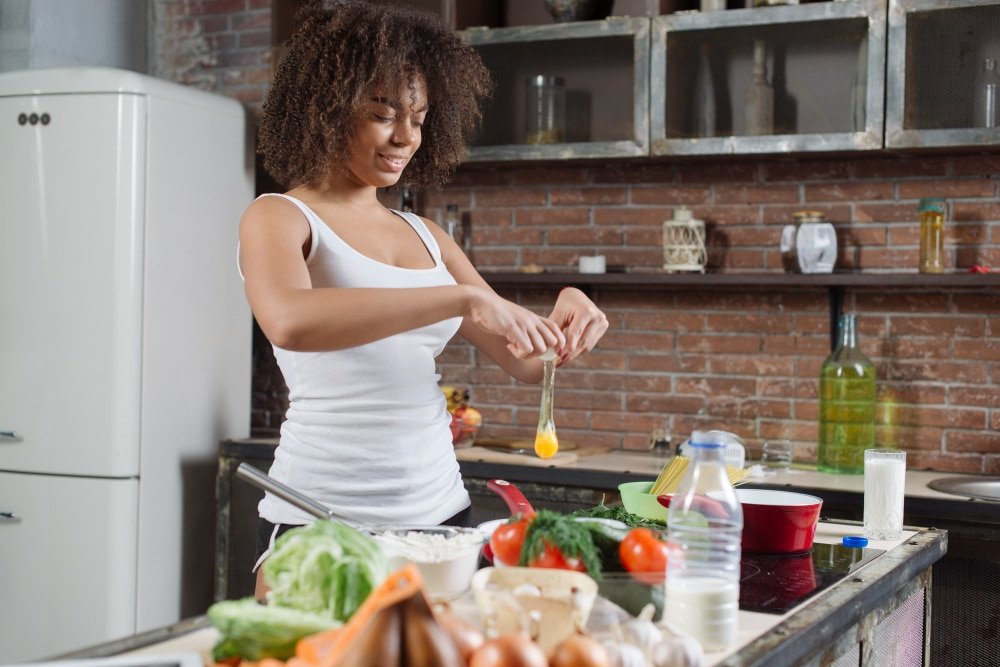
Family caregiving can make even simple decisions feel exhausting. After managing medications, appointments, emotional strain and household tasks, many caregivers hit dinnertime completely drained. “What are we eating tonight?” becomes a dreaded question.
That’s why more caregivers are discovering practical caregiving solutions right in the kitchen. Preparing meals ahead of time does more than save money. It can cut stress, lower decision fatigue and help families eat healthy foods more consistently during chaotic weeks.
Learn more about meal planning strategies that can help reduce stress.
Why This Caregiver Tried Batch Cooking
Moving in with my older brother changed everything about how I cooked. I was suddenly feeding three very different people — an 80-year-old father with dementia, a seven-year-old nephew and my brother. Dad put hot sauce on everything. My brother couldn’t stand spicy food. And my nephew? He rejected anything that looked the least bit suspicious.
Beans were my usual fallback when I lived alone. They were cheap, filling and easy. But my nephew wouldn’t eat them. I had to rethink everything from scratch.
We weren’t working with much equipment either — just a basic electric stove and my brother’s Crock-Pot. That slow cooker became invaluable. Big batches of chili, shredded chicken and soup came out of it often.
That experience taught me something important: you don’t need a perfect kitchen or expensive gadgets to make life easier. You need practical systems that work during stressful times of life.
Why Batch Cooking Is One of the Best Caregiving Solutions
Caregiving creates mental overload fast. Between jobs, medical responsibilities, transportation and emotional strain, caregivers often run on empty by evening. Deciding what to cook every night can tip an already full plate.
Batch cooking helps by cutting the number of food decisions you have to make each day. Instead of starting from scratch every evening, you prepare larger amounts of food once or twice a week. Then you reheat, freeze or repurpose those meals into different dishes throughout the week.
Think about it this way:
- A big pot of spaghetti sauce becomes leftovers for lunch.
- Slow cooker chili stretches across three or four meals.
- Roasted chicken turns into soup, wraps or salads later in the week.
That kind of flexibility creates real breathing room. It also helps caregivers avoid the expensive cycle of drive-thru meals and convenience foods that tend to sneak in during hard weeks.
If fast food syndrome is taking over your family’s routine, see how nutrition education can make a difference.
Small Batch Cooking Helps Smaller Households Too
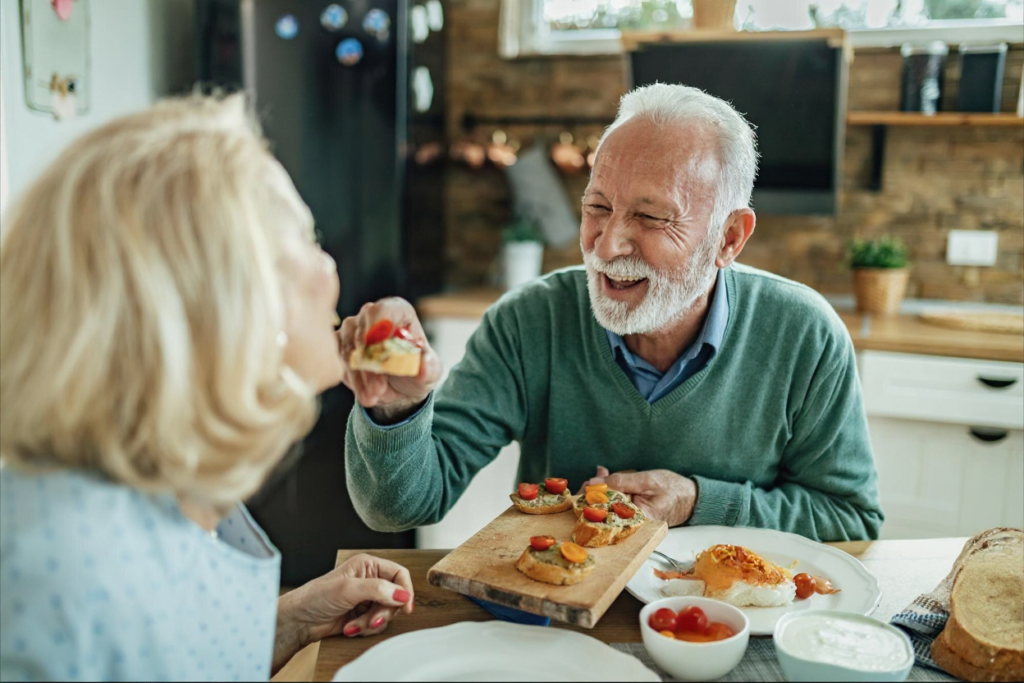
Don’t assume batch cooking only works for large families. Small batch cooking works especially well for caregivers helping an aging parent, a spouse or even just themselves.
Preparing smaller portions ahead of time can:
- Cut food waste and simplify grocery shopping
- Help with portion control and special dietary needs
- Make it easier for seniors to reheat meals safely
- Reduce the number of times you open the refrigerator wondering what’s in there
For example, a caregiver helping an elderly parent might prep several small containers of soft soup, cooked vegetables or shredded chicken — all ready to reheat safely throughout the week. This approach works especially well when dementia, fatigue or mobility issues make daily cooking a real challenge.
Batch Cooking Equipment That Makes Life Easier
You don’t need a large or professional kitchen to get started. When I helped care for my father and nephew, we worked with a basic stove and one crock pot. That was enough to produce consistent, stress-reducing meals week after week.
That said, certain types of batch cooking equipment can make caregiving much easier over time. Here are some caregiving solutions for the kitchen that I’ve found can make the biggest impact:
- Slow cookers — Set one up and walk away — ideal for chili, soups and shredded proteins.
- Airtight food storage containers — Use microwave-safe glass for reheating and lightweight plastic containers for portability, if they are labeled food-safe and heat-safe.
- Stackable freezer containers — Build a freezer meal stash that’s easy to keep organized.
- Mason jars — Keep them on hand for layered salads and overnight oats.
- Sheet pans — Roast a full week of vegetables in one session.
- Vacuum sealers — Batch cook once a month and keep your food fresh.
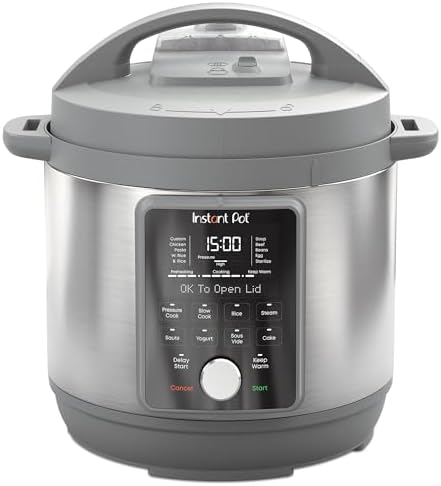
• 9 Cooking Functions: Pressure cook, slow cook, steam, sauté, sous vide, make rice, yogurt, cake, or simply keep your meal warm — all in one appliance with intuitive dial control.
• Guided Cooking: An angled control panel with a clear message display and cooking progress bar, paired with 25 recipe presets and step-by-step instructions, makes every meal foolproof.
• Good Food Done Faster: Cook up to 70% faster compared to slow cooking methods.
• Family-Sized Capacity: The 8-quart capacity is perfect for up to 8 servings—ideal for larger families, gatherings, meal prep, and batch cooking.
Why we like this: Instant Pot is a solid brand that you can expect to use for years to come. It offers so much cooking flexibility, and the hundreds of recipes in the app make it so much easier to answer the question, “What are we eating tonight?”

- Generous Capacity: 7-quart slow cooker that comfortably serves 9+ people or fits a 7-pound roast
- Cooking Flexibility: High or low slow cooking settings, with convenient warm function for ideal serving temperature
- Convenient: Set it and forget it feature enables you to cook while at work or performing daily tasks
Why we like this: You can cook enough food for a large family with this slow cooker. It’s a workhorse of a small kitchen appliance that’s easy to clean.

• REDUCE WASTE AND SAVE MONEY: Chef Preserve vacuum seals your food in less than 5 seconds, extends freshness, and pays for itself after just a few uses.
• POWERFUL, QUICK AND EASY TO USE: Simply press the button to start. The device vacuum seals a bag in 5 seconds and automatically shuts off when done.
• REUSABLE AND RESEALABLE BAGS: Chef Preserve comes with dishwasher, freezer, refrigerator, and microwave-safe bags that BPA-free. The bags are odor-free & leak-proof, and preserve flavor, nutrition and texture of the food.
• SUITABLE FOR ALL TYPES OF FOOD: Meat, fish, vegetables, fruits, dry goods, pizza, cooked food and leftovers.
Why we like this: The push-button operation and speed of sealing can give you an edge in preserving cooked foods or raw ingredients to cook later — perfect for batch cooking. Plus, there’s real value in the reusable and resealable bags. There’s little waste here!
How Batch Cooking Reduces Caregiver Stress
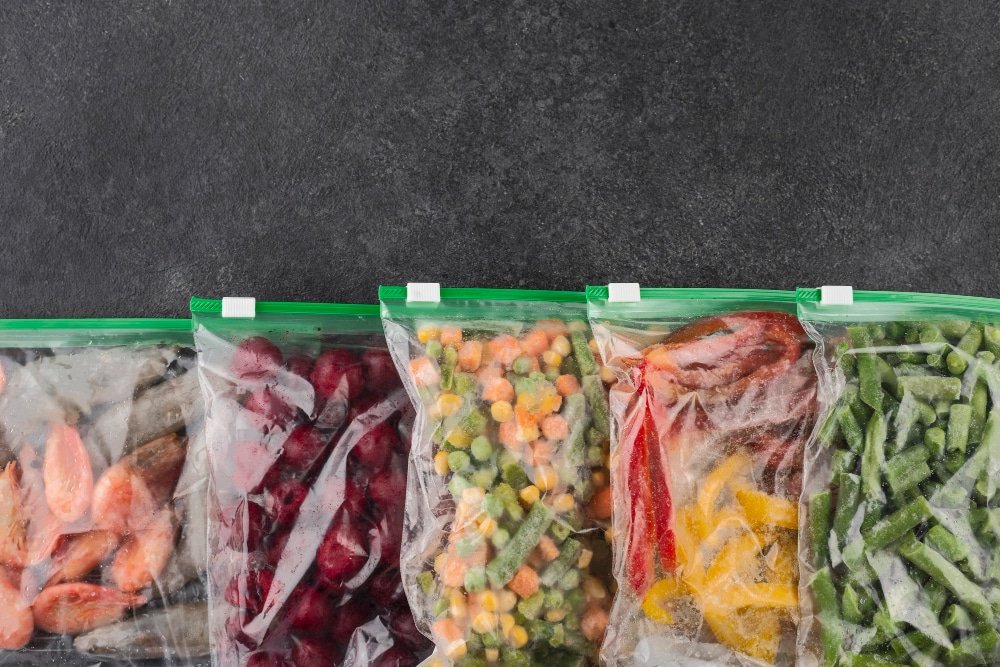
One of the biggest hidden benefits of batch cooking is emotional relief. Caregivers often experience what researchers call decision fatigue — by evening, the brain has burned through its daily fuel for making choices.
Batch cooking removes dozens of those small decisions. Instead of wondering what to cook every night, you simply reheat a meal or pull together prepared ingredients. That alone can feel like a weight lifted.
It also builds a buffer for caregiving emergencies. Unexpected hospital visits, sleepless nights or sudden medical setbacks can destroy your routine instantly. A freezer stocked with meals means you and your loved ones can still eat well even when everything else falls apart.
Before the unexpected happens, having an emergency plan can help reduce caregiver stress.
Some practical caregiving solutions to consider:
- Keep 4 to 6 emergency freezer meals ready at all times.
- Cook proteins in bulk — chicken thighs and ground turkey hold up well.
- Wash and chop vegetables in advance on a prep day.
- Cook double portions and freeze half before anyone eats the first half.
- Pick one “reset day” per week for a short 90-minute prep session.
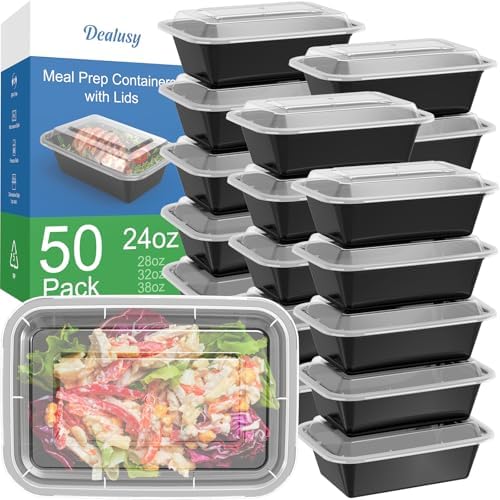
• 【Sturdy & Reusable】Made of premium thick plastic and strong construction, Dealusy meal prep containers with lids ensure no cracks for your takeout meals. They can also be easily cleaned for reuse with handwashing or on the top rack of the dishwasher.
• 【Leakproof & Stackable】These food prep containers come with tight sealed lids. You can easily stack them and won’t worry that the food would leaks or spills.
• 【Microware Safe & Freezer Safe】Made of premium food grade plastic, these BPA-free disposable food containers can withstand a temperature from -4℉ to 248℉, totally microwave-safe and freezer-safe.
• 【Convenient Use】With the pre-set volume of these disposable food containers, you can easily pack your healthy meals, vegetables and fruits without measuring your portions. Great for taking your meals out for school, work, gym or a camping trip.
Why we like these: You can store and freeze weeks’ worth of meals. From the freezer to the microwave, you can keep your food safe with proper handling. They’re easy to stack neatly too. Wash them by hand or in the dishwasher and your savings add up with reuse.

• High-Grade Glass: Made with premium BPA-free and lead-free food-grade glass, ensures long-lasting durability and offers a clear view of contents, preserving the freshness and integrity of stored food.
• Unbeatable Airtight Sealing: The specially designed lid ensures an airtight seal, keeping contents fresh for longer and preventing any leaks. Whether you’re on the move or packing a lunch, it provides a hassle-free transport experience.
• Stackable Design: The unique recessed top allows for easy stacking, optimizing storage space without risking stability. The edge guard on the lid adds an extra layer of safety.
Why we like these: They’re easy to fill and easy to clean. Contribute a little imagination and you could find dozens of uses for them. Plus, their pastel and muted colors are kind of calming too.
Smart Meal Prep Strategies for Busy Caregivers
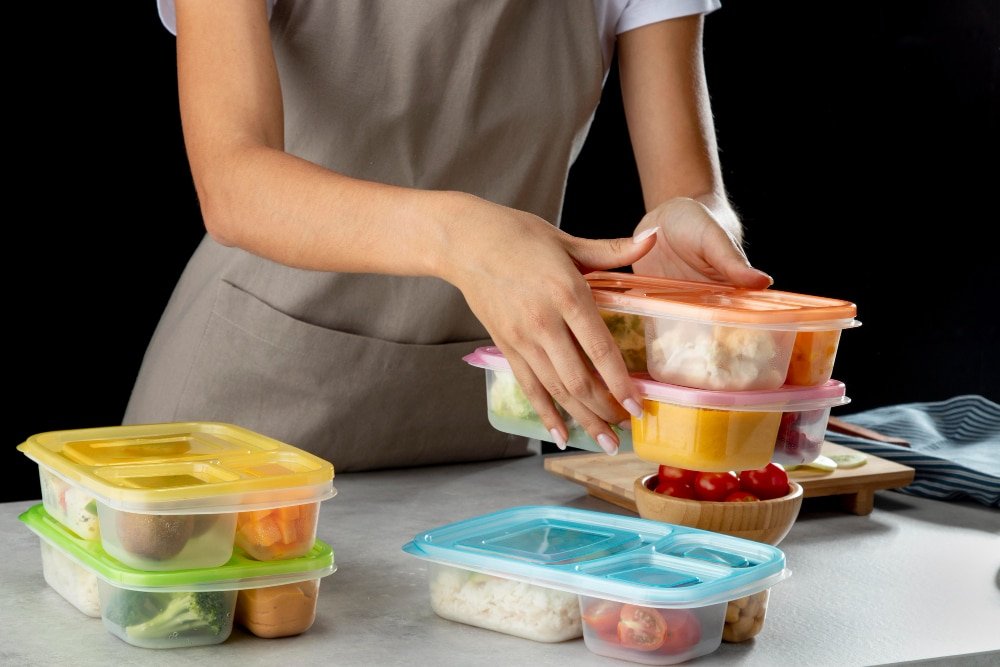
Many caregivers struggle with batch cooking because they try to do too much at once. A better approach is starting small and building from there.
Start with one meal.
Don’t try to tackle a full week of meals on the first try. Start with just lunches or just dinners, then expand as the habit takes hold.
- Prep five lunch containers on Sunday afternoon.
- Cook one large casserole that covers three dinners.
- Freeze individual soup portions for busy weekday nights.
- Prep sandwich ingredients so assembly takes under two minutes.
Try the Double Batch Method.
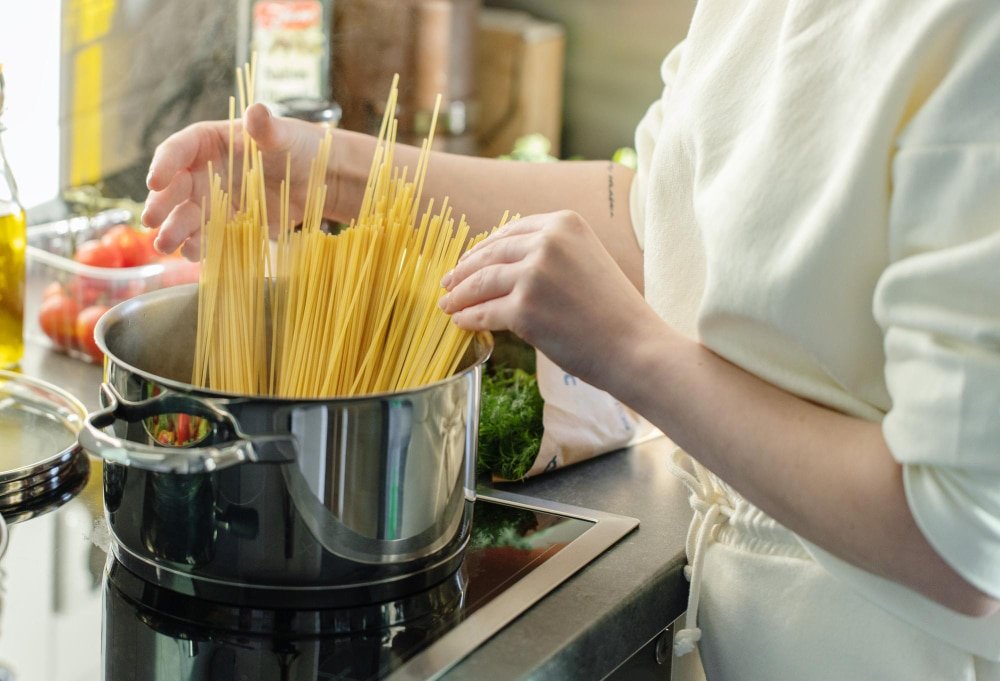
The easiest caregiving solution is simply cooking extra food on purpose. When you’re already making spaghetti sauce, stew or tacos, double the recipe and freeze half right away. You’ve just created a future meal with almost no extra effort.
Batch cooking doesn’t have to mean fully assembled dishes sitting in your fridge. Sometimes the smarter move is prepping flexible building blocks — that is, ingredients that can go in different directions all week.
Try prepping:
- A large pot of rice, quinoa or pasta
- Ground turkey or shredded chicken thighs
- A sheet pan of roasted vegetables
- Hard-boiled eggs for grab-and-go protein
Mix and match those building blocks across different meals all week. That flexibility helps prevent boredom and cuts down on food waste.
Food Safety Every Caregiver Needs to Know
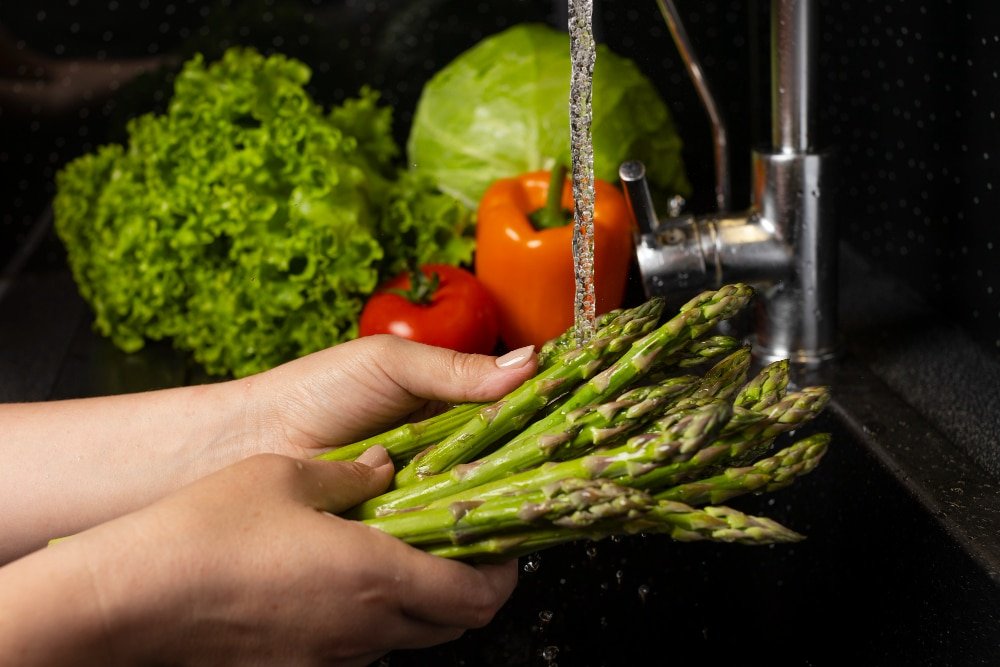
When you’re cooking for older adults, food safety isn’t optional. Older adults can be more vulnerable to foodborne illness than younger family members.
Food safety guidance defines the “Danger Zone” as the temperature range between 40°F and 140°F. Inside that range, bacteria like Salmonella and E. coli can double in as little as 20 minutes.
Keep these rules in mind every time you batch cook:
- Refrigerate leftovers within two hours of cooking.
- Use shallow containers so food cools quickly and evenly.
- Reheat all leftovers to an internal temperature of 165°F.
- Keep your refrigerator at 40°F or below at all times.
- Label every freezer container with the contents and the date.
- If ambient temperature is above 90°F, the two-hour rule drops to one hour.
For more information about safe handling and preparation of food, check the USDA guidelines.
Realistic Batch Cooking for Exhausted Caregivers
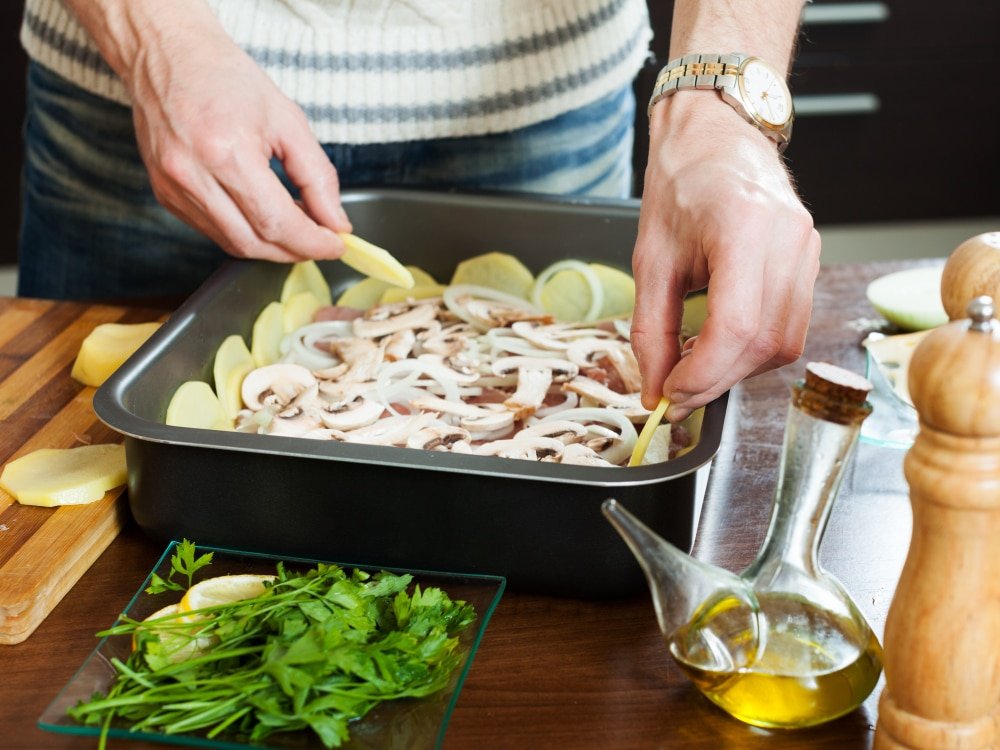
Caregiving life doesn’t follow perfect schedules. Some weeks your plan will fall apart completely. That’s normal, and it doesn’t mean that your system failed.
Don’t treat batch cooking like a rigid obligation. The goal isn’t perfection. The goal is reducing pressure wherever you can.
During especially hard weeks, even partial meal prep can help. A rotisserie chicken from the grocery store paired with pre-washed greens counts. A single freezer meal prevents another expensive fast-food drive-thru run. A slow cooker meal you set up the night before can get you through a sleepless stretch of caregiving.
The notes from experienced meal preppers suggest one practical shortcut: on your absolute worst weeks, focus only on preparing lunches. That single act — five containers packed on Sunday — removes the most draining daily decision for working caregivers. Everything else can be handled with simple assembly.
Those small wins matter far more than Pinterest-perfect meal prep ideals.
Building a More Sustainable Caregiving Routine
Caregivers can’t give of themselves endlessly without protecting their own energy. Batch cooking might look like a simple kitchen habit, but it can become a cornerstone of a healthier caregiving routine. Less stress around meals creates more emotional space for patience, rest and real self-care.
The best caregiving solutions are rarely complicated. They’re consistent small habits that remove pressure bit by bit over time. Batch cooking is one of the simplest and most impactful habits you can build.
If meal prep feels overwhelming right now, start with one step this week. Prepare one extra meal. Freeze one container of soup. Chop your vegetables ahead of time. Those small steps build a kitchen routine that supports both you and the person you love.
Caregiving Solutions for the Kitchen FAQ
What is batch cooking for caregivers?
Batch cooking means preparing larger amounts of food ahead of time so meals can be reheated or frozen later. It helps caregivers save time, reduce stress and avoid the daily scramble of deciding what to cook.
Is small batch cooking better for seniors?
Small batch cooking can work very well for seniors because it reduces food waste, keeps portions manageable and makes reheating simple and safe.
What batch cooking equipment is most useful for caregivers?
Slow cookers, airtight glass storage containers, stackable freezer containers and a good set of sheet pans are among the most valuable tools for most caregiving households.
How often should caregivers batch cook?
One or two short prep sessions per week — even just 60 to 90 minutes — can make a significant difference. You don’t have to cook everything at once.
Can batch cooking help reduce caregiver burnout?
Yes. Reducing daily meal decisions can help lower mental fatigue, and keeping emergency freezer meals on hand creates a safety net during the hardest caregiving days.
Disclaimer: This article is for information and education only. It is not a substitute for advice from a doctor, therapist, financial advisor, or lawyer. Every caregiving situation is different. Always talk to a qualified healthcare provider, mental health professional, financial advisor, or elder law attorney before making decisions about a loved one's care, health, or finances.
Read our full disclaimer for more information. If you or someone you are caring for is experiencing a medical or mental health emergency, contact 911 or your local emergency services. In the U.S., the 988 Suicide & Crisis Lifeline (call or text 988) is available 24/7.