How Simple Meal Planning Strategies Reduce Stress for Family Caregivers
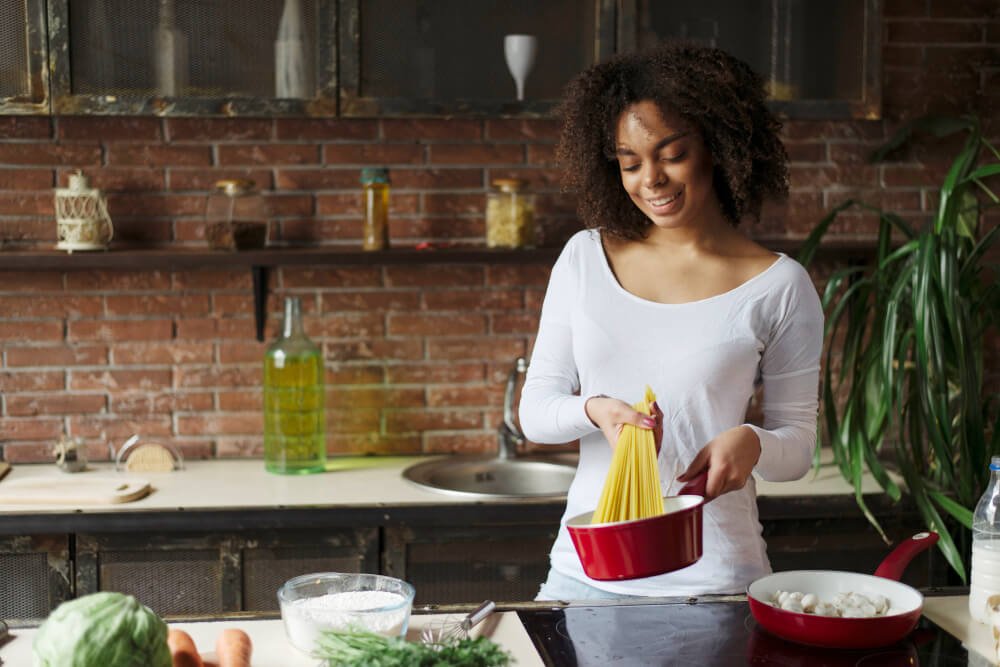
When my wife was ill but still able to cook, she prepared simple meals for both of us. I watched her thoughtful and practical approach to meal prep. As her health declined, I stepped in more each day.
Two years ago, she moved into a nursing home, and I had to learn how to handle some of my meals on my own. The lessons from that experience shape what I share in this post.
In a previous post, I offered my perspective on nutrition education and management for caregivers. Let’s expand that conversation to include some simple meal strategies you’ll want to consider.
How Unhealthy Eating Habits Can Develop
Family caregiving takes a lot of heart, patience and time. When you spend your day caring for someone you love, the idea of meal planning can feel like just another heavy task on an already long list.
It’s common for caregivers to skip their own meals or rely on fast food just to get through the day. However, this pattern can create a harmful cycle that leaves both caregiver and care recipient feeling exhausted and physically depleted.

If you neglect proper nutrition, it affects your energy levels, overall health and your ability to provide quality care. To sustain your caregiving journey, you must break free from this cycle. The good news is that nutrition doesn’t have to be a source of stress. With a few simple steps, you can create nutritious meals that fit your busy life. This guide offers practical and caregiver-friendly meal planning strategies you can start using today.
Why Meal Planning Matters in Family Caregiving
Promotes Nutritional Value
Meal planning is a way to support your health and your loved one’s health. Proper nutrition helps manage blood sugar, maintains energy levels throughout the day and ensures that medications taken with food are managed correctly.
Reduces Stress Through Effective Time Management
Good food can also improve your mood and your ability to focus. This matters deeply when caregiving days feel long and demanding.
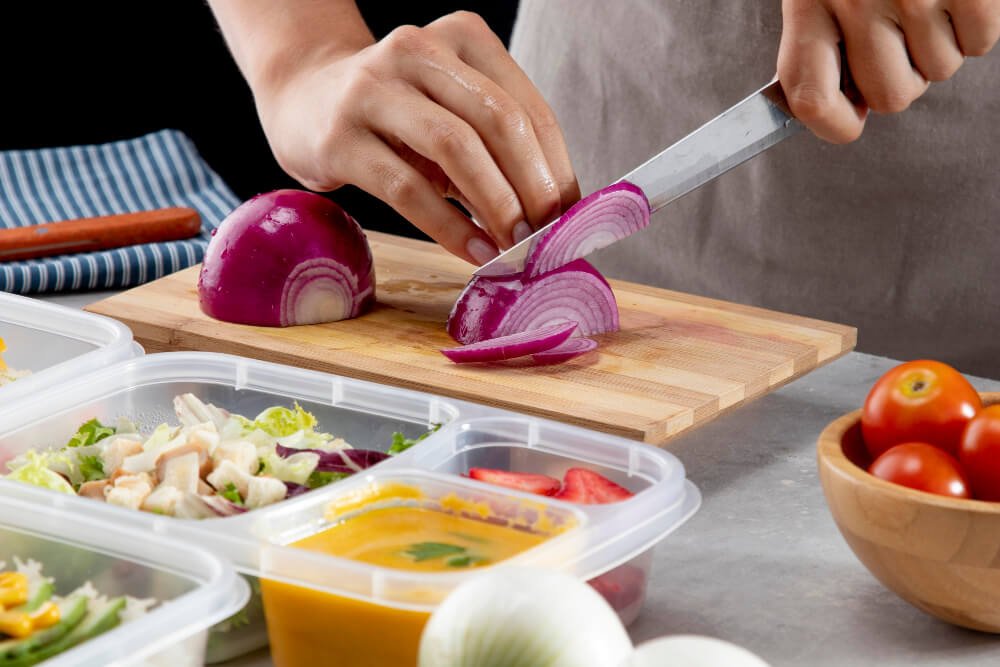
When you plan meals ahead of time, your overall stress levels go down. You begin to save time, money, and — most importantly — mental energy. Instead of wondering “what’s for dinner” at 5 p.m., you can focus on your connection with your loved one.
Explore more strategies and resources for reducing stress and finding balance as a caregiver.
A Practical Approach to Simple, Repeatable Meals
One of the biggest myths about meal planning is that you need new or exciting recipes every week. Repeating meals is one of the best habits a busy caregiver can develop.
You don’t need to reinvent the wheel every Monday. Instead, choose five to seven meals that your family already enjoys and rotate them weekly. This repetition saves time and can significantly lower “decision fatigue”. It also makes your grocery shopping much faster because you always know exactly what you need.
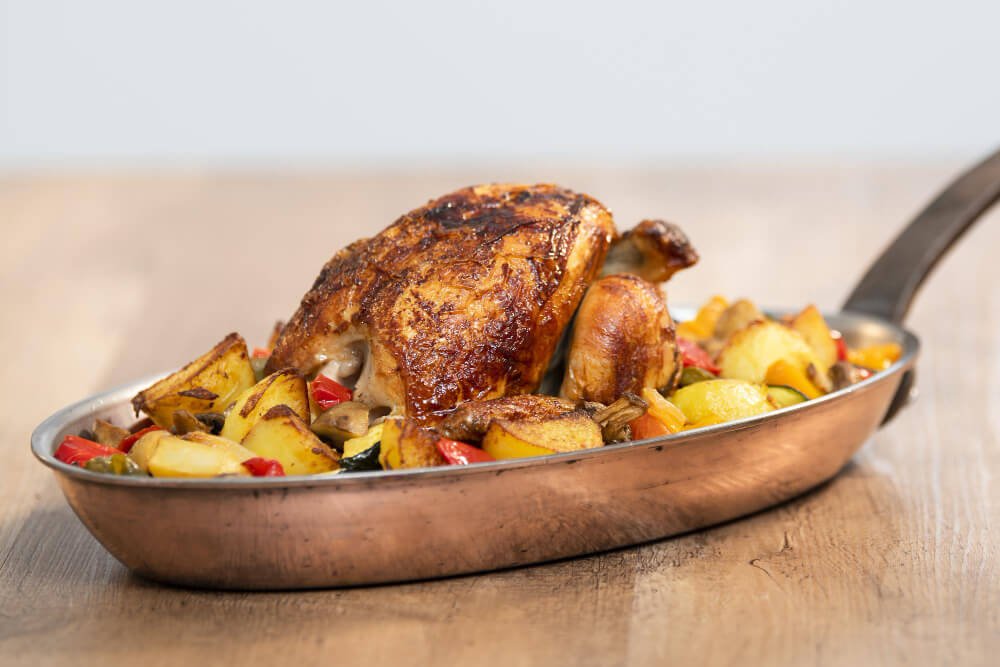
Consider these easy examples:
- Baked chicken paired with a side of vegetables.
- Slow cooker soups that simmer while you handle other tasks.
- Stir-fry made quickly with frozen vegetables.
- Pasta topped with a lean protein.
Some caregivers use Pinterest boards to discover and organize meal planning ideas.
Create a Weekly Meal Planning Routine
Consistency is the key to making family caregiving easier. Pick one day each week to sit down and plan. Many caregivers find that Saturday or Sunday works best. You don’t need to spend hours on this. Ten to fifteen minutes is usually enough.
During this time, write down your ideas for breakfast, lunch and dinner. Once you have your plan, create one grocery list and stick to it as closely as you can.
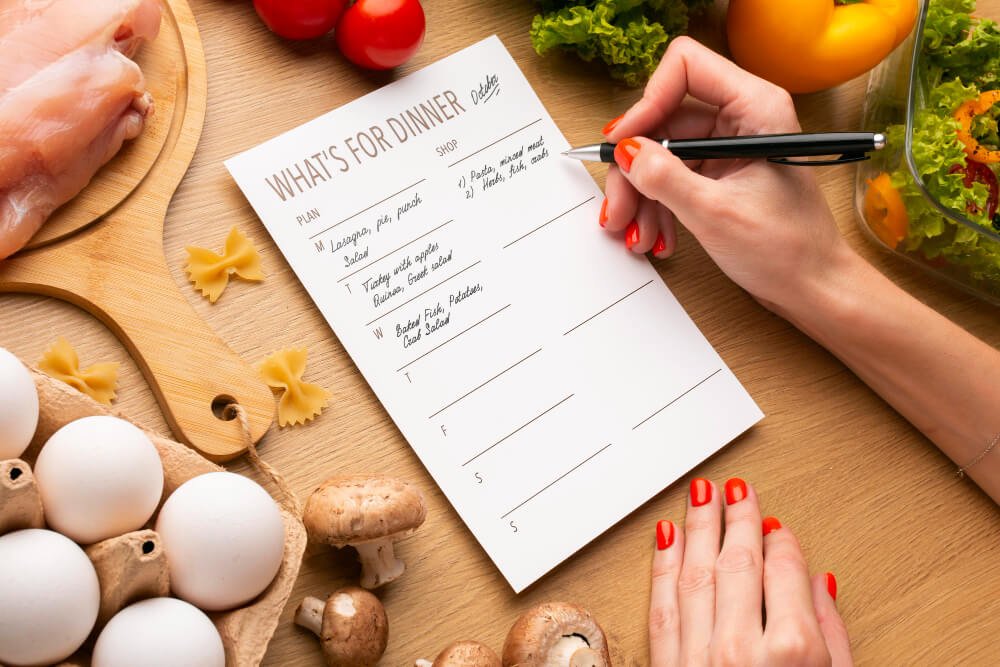
A written plan removes the daily guesswork. That small bit of organization can feel like a massive relief when your caregiving schedule becomes unpredictable. Try pairing this routine with a relaxing habit, like drinking your morning coffee, to make it feel less like work and more like a moment of peace.
Choose Easy, Nutritious Foods That Save Time
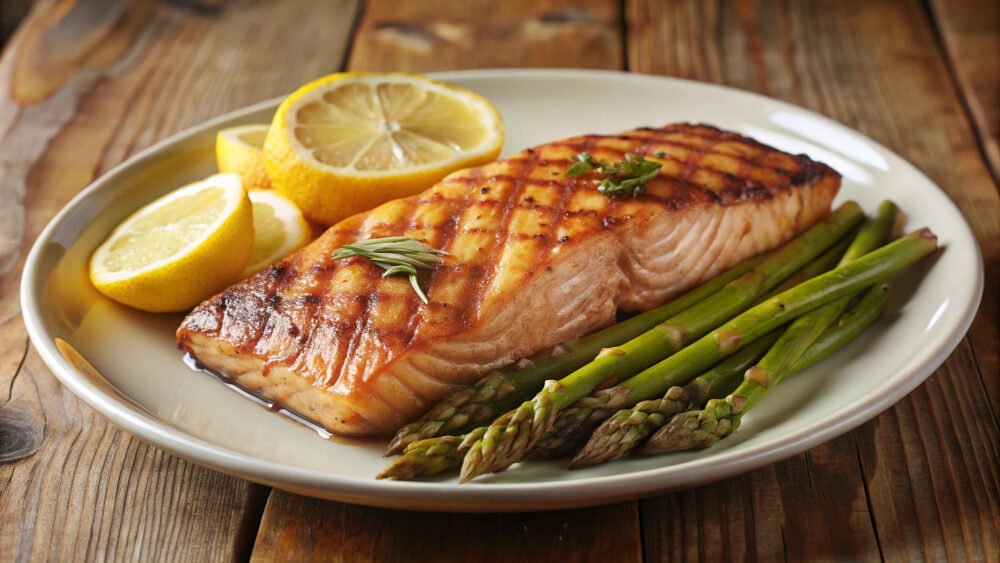
While nutrition is important, perfection isn’t required. You should aim for balance rather than fancy or complicated meals. Focus your plan on these core building blocks:
- Lean proteins: Include chicken, fish, beans or eggs.
- Whole grains: Use brown rice, oats or whole wheat bread.
- Fruits and vegetables: These can be fresh or frozen.
Don’t be afraid to use frozen and pre-cut foods. These items are just as nutritious as fresh ones but save you precious time in the kitchen.
If your loved one has specific dietary needs, keep notes on the fridge for easy reference. This ensures you always meet their health requirements without having to memorize every detail.
For more nutrition guidance, review the U.S. government’s Dietary Guidelines for Americans.
Use smart shortcuts without guilt.
Caregivers might feel guilty for taking the “easy way out,” but don’t feel bad about using shortcuts. Meal prep is a hard job, and you are allowed to make it easier. Helpful tools and shortcuts include:
- Slow cookers or Instant Pots: Let the machine do the work while you are busy.
- Sheet pan meals: Minimize cleanup by cooking everything on one tray.
- Rotisserie chicken: Buy it pre-cooked to save an hour of prep.
- Bagged salads: Get your greens without the chopping.
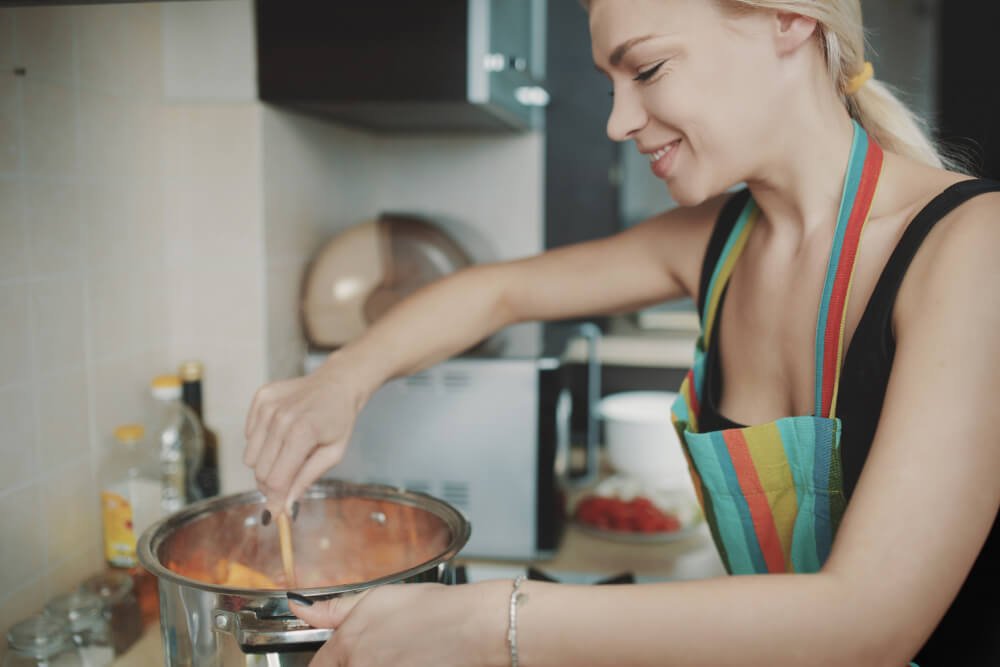
Batch cooking is another powerful strategy. If you are already cooking, make a double portion so you can “cook once and eat twice”. Remember, leftovers free you up for extra rest or quality time with your family.
The Question of Fiber Content
I recently read that some people call trying to meet or exceed the daily fiber goal “fiber maxing.”
For me, that trend raises the question …
How much fiber do we really need?
According to some studies, people in Western countries need more fiber. For example, the Division of Nutritional Sciences at Cornell University found that Western diets lack vegetables, fruits and whole grains.
Over the years, U.S. consumers have gotten used to seeing protein added to everything from cereal to ice cream. Now, fiber is becoming the next big food trend. Americans have increased their protein intake for years, but products with high or added fiber saw a big jump in the U.S. this year.
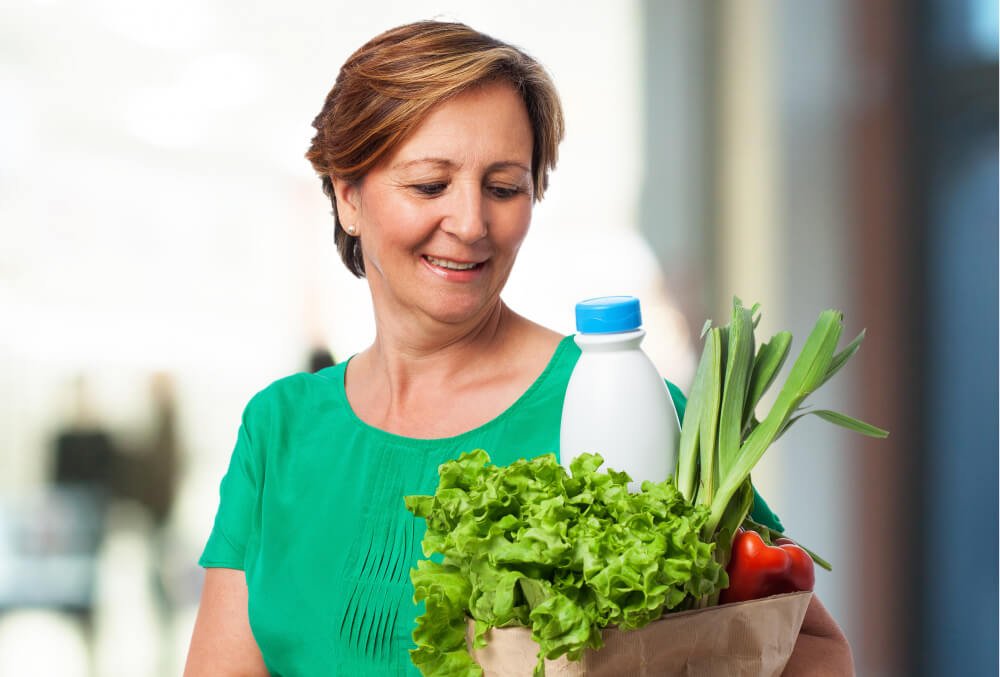
The Mayo Clinic offers these tips for adding fiber to your meals:
- Pick a breakfast cereal with 5 grams or more of fiber per serving. Top it with sliced banana or berries.
- Choose breads with at least 2 grams of fiber per serving. Try other grains like brown rice, whole-wheat pasta and quinoa.
- Swap whole-grain flour for white flour when you bake. Add wheat bran to muffins or cookies.
- Aim for five or more servings of fruit and vegetables daily. An apple, for example, contains 4.8 grams of fiber plus water, vitamins and minerals.
Make meal planning a form of self-care.
Meal planning isn’t just about the food on the plate. It’s really about self-care.
When you have a plan, your evenings feel calmer and you avoid last-minute stress. If possible, invite others to help you. Consider asking a family member to help prep vegetables or handle the grocery shopping.
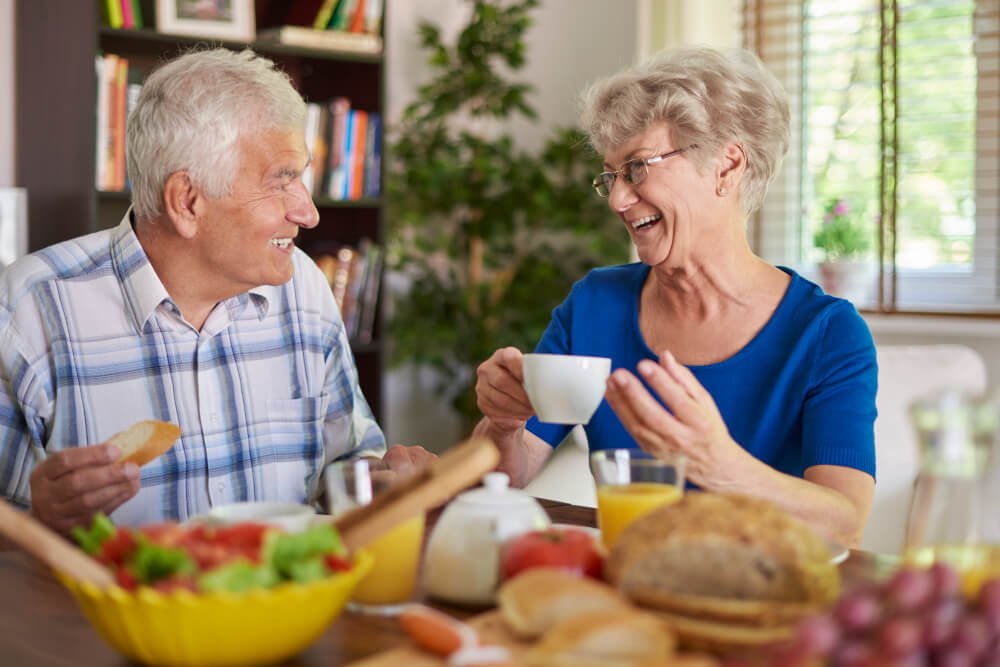
Don’t underestimate the value of your meal planning and prep as a family caregiver.
Feeding yourself and your loved one well is a vital part of that care. Small steps matter, and simple meals count. May your kitchen be a place of nourishment rather than a place of pressure.
Meal Strategies for Caregivers FAQ
How much time should meal planning take?
Ten to fifteen minutes a week is usually enough. The goal is to keep it simple and repeat your favorite meals often.
Is meal planning worth it when caregiving is unpredictable?
Yes. Even a loose plan reduces your overall stress and saves you time when things get chaotic.
What if my loved one has special dietary needs?
Plan meals that meet their specific needs first. You can then adjust your own portion or add side items as needed.
Are frozen foods healthy enough?
Absolutely. Frozen fruits and vegetables are very nutritious and offer great convenience for busy days.
How do I stay consistent with meal planning?
Choose the same planning day each week. Try pairing the task with another habit you already have, like making your morning coffee.