Caregiver Burnout Symptoms: How to Recover Before It’s Too Late

Understanding Caregiver Burnout Syndrome
What is caregiver burnout?
It’s a state of physical, emotional and mental exhaustion. Burnout happens when caregivers focus so much energy on another person’s well-being that they neglect their own.
According to Cleveland Clinic, burnout may cause feelings of fatigue, anxiety and helplessness. That means it can severely affect your quality of life.
How common is it?
More than 60% of caregivers experience burnout at some point. That makes it a serious issue. A 2023 Guardian Life report revealed that over 53 million Americans are unpaid, or “casual,” caregivers. This can cause caregivers to push themselves to a breaking point.
Why Avoiding Caregiver Burnout Is So Hard
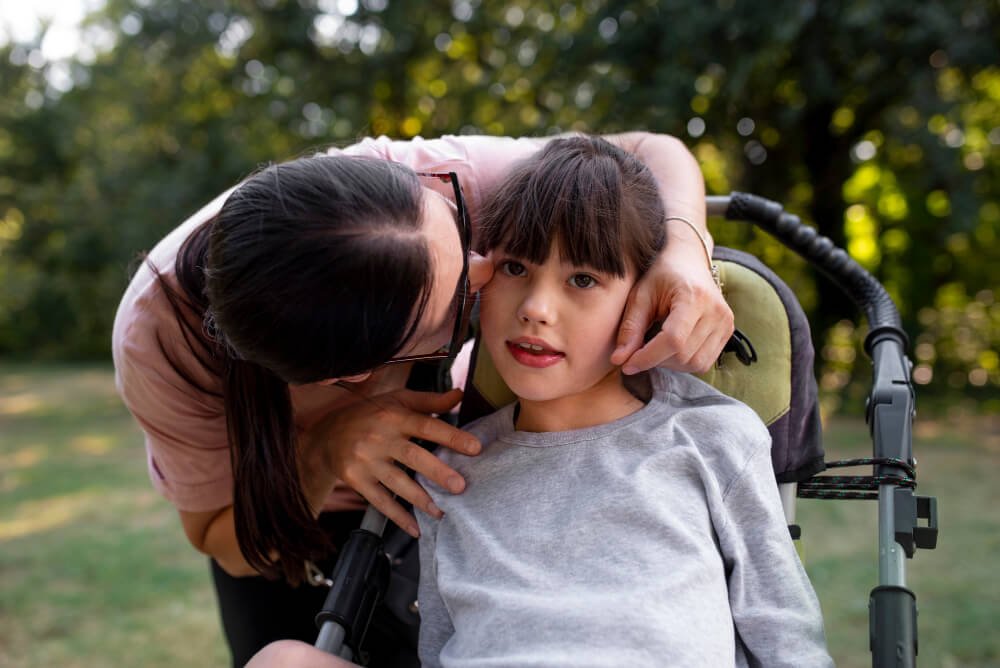
Most family caregivers are not healthcare professionals. They include parents of special-needs children, spouses of chronically ill partners and members of the so-called “sandwich generation.” That is, they care for their children as well as elderly parents.
Family caregivers now average 26 hours per week of unpaid care. That’s up from 9 hours in 2020. As you can imagine, the emotional toll on them is growing.
When my sister-in-law died suddenly in March 2000, I moved back to Texas from Maryland to help my brother. He was legally blind and taking care of my seven-year-old nephew and our 81-year-old father, who had dementia.
Almost overnight, I went from working full-time and living on my own to being unemployed and helping to run a household with a lot of special needs. The stress made my already bad insomnia even worse.
One day, I was in a fast-food drive-through with my nephew and father when they started arguing with each other. I had reached my limit. I snapped at both of them — and instantly felt ashamed for losing my temper.
In hindsight, I wish I could say that was an isolated incident.
If you suddenly find yourself in a family caregiving role for the first time, the experience can be especially traumatic. Learn more about handling the unexpected as a new caregiver.
Caregiver Burnout Symptoms: The Key Signs

Emotional and Physical Exhaustion
Chronic fatigue is often the first of the stages of caregiver burnout. You start to feel as if there just aren’t enough waking hours to do everything you have on your plate.
Burned-out caregivers may feel drained and struggle to summon the energy they need for daily activities. This exhaustion can cause sleep disturbances, frequent illness and digestive issues.
Detachment and Social Withdrawal
Burnout can lead to social isolation and loneliness. Caregivers may start to withdraw from friends, family and even the person they care for. Activities that once brought joy can feel like burdens.
According to Guardian Life, 41% of caregivers report low overall well-being. That’s 32% more than non-caregivers.
Discover how caregivers can effectively manage loneliness.
Guilt, Anger and Resentment
Many caregivers feel guilty for “not doing enough,” anger at the situation or even resentment toward the person they care for. These emotions are normal, but can be dangerous if they’re ignored.
In time, these feelings can evolve into compassion fatigue or clinical depression. Recognizing and addressing them early is crucial for long-term health.
Explore ways to ask for help without feeling guilty.
Caregiver Burnout Prevention: What to Do Before It’s Too Late
Self-Assessment and Early Recognition
The first step toward preventing or reversing caregiver burnout is self-examination. Ask yourself: Am I constantly exhausted? Do I feel emotionally detached? Have I lost interest in things I once enjoyed?
Tools like stress inventories or online caregiver assessments can offer insight. Recognizing burnout early can help you cope and recover.
Seeking Help and Building a Support Network

Reach out to family members, friends or professional support groups when you need help. Caregivers without a support system are more vulnerable to depression and physical illness.
Communication at Home and Work

Try to be transparent about your caregiving role. Talk with your employer about flexible scheduling or remote work options that may be available to you. Fewer than half of working caregivers have discussed their caregiving responsibilities with their managers.
Many caregivers don’t want to talk about their struggles at work for fear it will negatively impact their performance. But asking for a job accommodation when you need it can help protect your health and your career.
When I decided to move back to Texas to become a family caregiver, I gave my manager four months’ notice. The very next month, I received a promotion and a significant raise. I’d like to think the promotion was already planned before I announced my decision — but I’m convinced it was my manager’s parting gift to me as I headed into such a major life change.
There are some truly generous people in this world. If you’re open about your situation and what you need, you may be surprised by how willing they are to help.
How to Avoid Caregiver Burnout With Recovery and Prevention Strategies
With a little forethought and planning, you’ll discover that there are many resources for caregiver burnout prevention.
Restoring Balance Through Self-Care
Prioritize your physical health by:
- Eating balanced meals.
- Staying hydrated.
- Getting enough exercise.
- Making sure you get quality sleep.
Build your emotional well-being with practices like journaling or mindfulness. That can help you reduce cortisol levels and improve your mental clarity. Making small investments in self-care can significantly improve your energy and resilience.
Learn more about how exercise can help you manage stress.
Leveraging Resources and Respite Care

Respite care offers temporary relief to primary family caregivers:
- At home.
- In a specialized facility.
- Through community day care programs.
For help, you can contact local support organizations or the ARCH National Respite Network. Respite services are invaluable when you want to reduce stress and prevent long-term burnout.
Long-Term Coping and Preventative Planning
It’s important to create a caregiving plan that includes:
- Backup support.
- Realistic boundaries.
- Future care options.
Accepting that you can’t do and asking for help means you’re ensuring quality care for your loved one and yourself. Burnout is less likely to develop when you approach caregiving as a team effort, with flexibility and long-term thinking.
Caregiver Burnout Symptoms FAQ
What are the first signs of caregiver burnout?
The earliest signs of burnout often include:
- Persistent fatigue.
- Mood swings.
- Difficulty sleeping.
- Loss of interest in hobbies or socializing.
These symptoms may start subtly but can escalate quickly if you don’t address them.
Can caregiver burnout affect my physical health?
Yes. Caregiver burnout can lead to chronic stress. This can weaken your immune system and increase the risk of conditions like:
- Hypertension
- Heart disease
- Frequent infections
How do I talk to my employer about my caregiving responsibilities?
Start by scheduling a private meeting with your manager. Be honest about your needs and your role. It can improve your productivity and help you get reasonable job accommodations like flexible hours or remote workdays.
What support options are available for family caregivers in the U.S.?
Resources for family caregiving in the U.S. include:
- Respite care.
- Adult daycare programs.
- Home health aides.
- Local support groups.
- National services like the ARCH National Respite Network and AARP Family Caregiving Resources.
How long does it take to recover from caregiver burnout?
It varies based on the severity and duration of burnout. But with consistent self-care, support and even therapy, some caregivers may feel better within a few weeks. Others may take several months to fully recover.