Top Legal Documents for Aging Parents: What You Need to Know
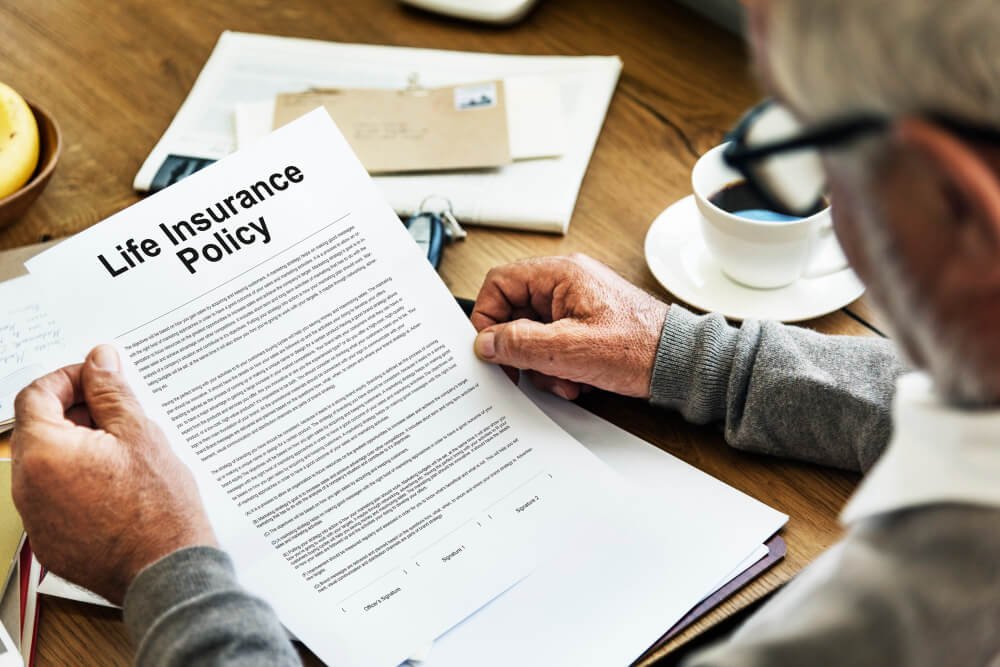
Emergencies don’t wait. Your mom falls. Your dad has a stroke. You rush to the hospital.
In those scary moments, you need to make quick decisions. But if you don’t have quick and easy access to the right paperwork, everything gets harder.
Doctors won’t talk to you. (Privacy laws often apply.) Banks won’t help you. (You don’t own the account or have signature authority.) You can’t access accounts or make medical choices. It’s frustrating when all you want to do is help someone you love.
In a previous post, we addressed why emergency plans are important.
This guide shows you which legal documents for aging parents you’ll likely need, how to store them safely and why they matter so much during emergencies.
Why Legal Documents Matter When You’re a Caregiver

Love isn’t enough when someone you love faces a medical crisis. That may sound harsh, but it’s true.
Hospitals need written permission before they share information with you. Banks need legal authority before you can pay bills. Doctors need signed forms before they’ll even listen to your input.
Family caregivers we’ve talked to across the country have consistently cited those pain points.
Without those legal documents, you might sit in a waiting room while your loved one needs you. You might watch bills pile up because you can’t access their bank account. You might not know what treatment they want because they never wrote it down.
In the end, you’re left feeling powerless.
Having legal documents ready is about protecting the people you care about. It’s about making sure their wishes get heard.
Preparation puts your love into action. A good place to start is having a conversation about emergency planning.
How Legal Documents Help During Emergencies

Emergency planning means more than keeping a list of phone numbers. You need to know who can make decisions, who can talk to doctors and who can handle money matters.
Legal documents can help solve these issues before a crisis hits.
They make sure:
- Medical teams follow your loved one’s wishes.
- You can speak with healthcare providers.
- Someone can pay bills and handle insurance needs.
- Family members don’t fight about what to do and when.

Without these papers, emergencies get messy fast. Arguments start. Delays happen. Stress multiplies.
Advance Directives: Making Medical Wishes Clear
What does an advance directive do?
An advance directive tells doctors what medical care someone wants if they can’t speak for themselves. People use them when they’re very sick or badly injured.
This document guides everyone when decisions need to happen fast.
What Goes in an Advance Directive

Most advance directives cover:
- Life support treatments
- Pain management and comfort care
- End-of-life choices
They answer tough questions before you have to face them in a hospital room.
The National Institute on Aging offers more helpful advice on advance care planning.
Why Caregivers Need This Document
Advance directives take away the guessing. You don’t have to wonder what your loved one wants. You have their instructions in writing.
This helps you feel more confident. It reduces guilt. It stops family arguments when everyone’s emotions are running high.
Power of Attorney: Getting Authority to Help
What is power of attorney?
A power of attorney, or POA, gives someone legal permission to act for another person. Two types matter most for caregivers:
- Medical power of attorney lets you make healthcare decisions.
- Financial power of attorney lets you handle money and legal matters.
Some POAs start working right away. Others only kick in if someone can’t manage their own affairs anymore.
Why Caregivers Need Power of Attorney

Power of attorney lets you actually do things. You can:
- Talk to doctors and nurses.
- Pay bills and deal with insurance companies.
- Handle Social Security or banking problems.
Without POA, even simple tasks become impossible. You might not be able to cash a check or even refill a prescription.
Understanding What POA Really Means
Power of attorney doesn’t steal control from your loved one. It just gives you the ability to step in when they need help.
Most older adults want to hold onto their independence. By granting POA they can have peace of mind knowing someone can help if things change.
Living Wills: Getting Specific About Treatment
What is a living will?
A living will is a special type of advance directive. It spells out exactly which medical treatments someone wants or doesn’t want if they’re dying.
Topics might include:
- Breathing machines (ventilators)
- Feeding tubes
- CPR and resuscitation
Why Living Wills Matter in a Crisis
Living wills can give clear answers during the hardest moments. Medical teams use them to decide on treatment.
For caregivers, living wills help you speak up for your loved one. You know you’re honoring what they actually want and not just guessing about it.
When to Update a Living Will
Review living wills:
- After major health problems.
- When big life changes happen.
- Every few years to check if anything changed.
Keeping them current means they reflect what your loved one wants now.
HIPAA Forms: Getting Access to Medical Information
What HIPAA Authorization Does
Health Insurance Portability and Accountability Act, or HIPAA, forms let healthcare providers share medical details with specific people. Without this signed form, doctors legally can’t tell you anything — even if you’re family.
Yes, really. Even your own parents.
Why Caregivers Need HIPAA Authorization
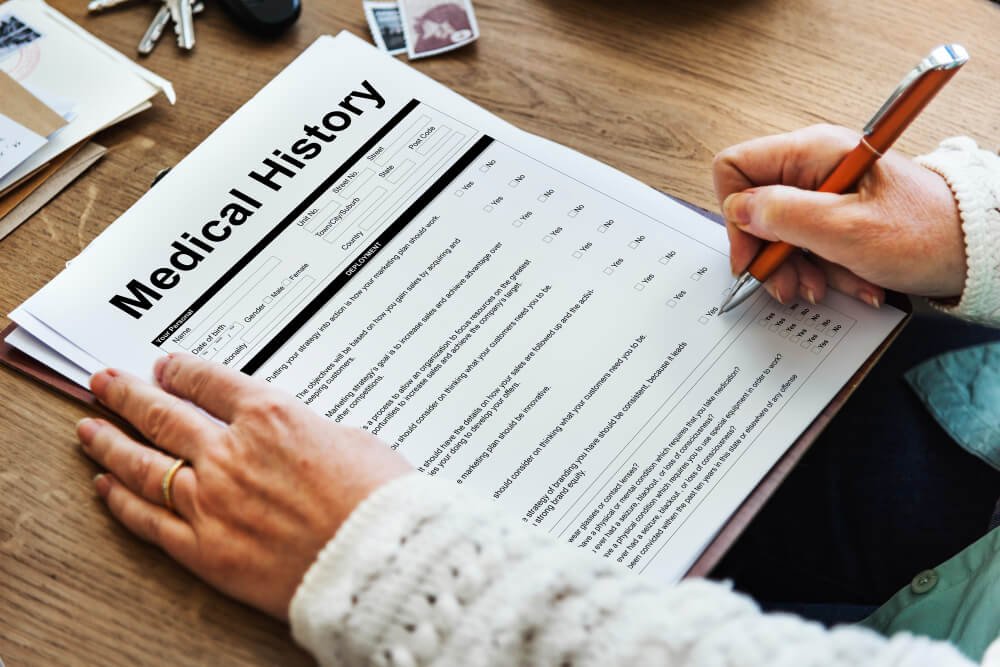
Caregivers coordinate care with many different doctors. HIPAA authorization lets you:
- Get medical updates from all providers.
- Ask questions about treatments.
- Help manage care plans.
Problems You’ll Have Without HIPAA Forms
Without authorization, you face:
- Delays getting important information.
- Missed updates about treatment changes.
- Limited say in medical decisions.
This slows down care right when speed matters most.
Storing Legal Documents the Smart Way
Having documents doesn’t help if you can’t find them in an emergency.
Physical Storage Ideas
Store paper copies in:
- A clearly labeled binder or folder.
- A fireproof or waterproof safe.
- A spot that trusted family members know about.
Don’t hide documents somewhere that’s hard to reach. Don’t lock them up without giving someone else the key.
Digital Storage Options
Always keep digital backups. Consider these storage options:
- Secure cloud storage services
- Scanned copies on your phone
- Password-protected computer files
Make sure someone you trust knows how to access these digital copies.
What Not to Do
Avoid these mistakes:
- Keeping documents in just one place
- Keeping storage locations secret
- Assuming you’ll remember everything during a crisis
Store copies in multiple places. Redundancy can save the day.
Sharing Legal Documents Safely
You don’t need to give copies to everyone. Be thoughtful about who gets them.
Share the documents with:
- A backup caregiver.
- Your loved one’s doctors or hospital.
- Trusted family members.
Tell people where you store the necessary documents and how to get to them. Clear communication prevents panic later.
How the Right Legal Documents Reduce Caregiver Stress
Caregiving can exhaust you. Legal uncertainty makes it worse.
When you have documents ready:
- Emergencies feel less overwhelming.
- Talking to doctors goes more smoothly.
- Decisions feel solid instead of panicked.
Good paperwork supports better emergency planning. It protects your mental health too.
Preparation shows you care.

Talking about legal documents for aging parents feels awkward. That’s normal.
Take small steps. Start with one conversation, then move forward together.
Preparation is about respect and making sure your loved one’s voice gets heard, even when they can’t speak for themselves.
Starting today to gather and organize the legal documents you need will turn your caregiving stress level way down.
Legal Documents for Aging Parents FAQ
Do we need a lawyer to create these documents?
Not always. Many states offer standard forms for advance directives, living wills and HIPAA authorizations that you can fill out yourself. A lawyer should help with complicated family situations or financial power of attorney forms. Just make sure your documents meet your state’s legal requirements.
What happens in an emergency without these documents?
Without proper paperwork, you might not get medical information or make decisions. This delays treatment and increases stress. Sometimes families need court involvement to gain authority, which takes time you don’t have.
Do these documents expire?
Most of them don’t expire, but you should review them regularly. Update them after major health changes, moves to new states or major life events. This keeps them accurate and current.
Should we keep originals or copies?
Store original documents in a safe, known location like a home file or fireproof container. Keep both physical and digital copies too. In emergencies, having quick access to a copy usually works fine.
How do I bring this up without causing stress?
Start calmly and focus on being prepared, not scared. Try saying, “I want to be ready to help you if something unexpected happens.” Keep it short and respectful. You don’t have to cover everything in one conversation.